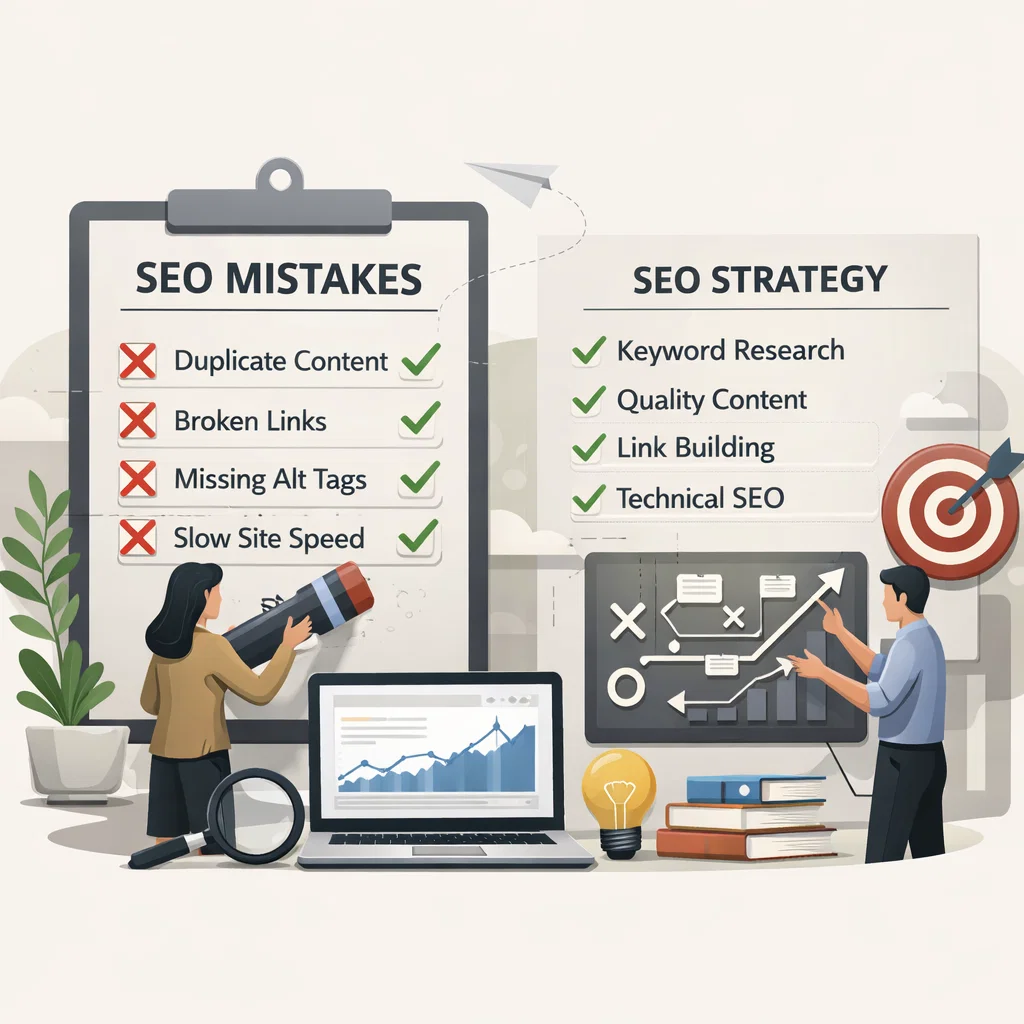
Many businesses have an active website. The design is complete, pages are live, and traffic occasionally arrives through ads or search engines. Yet meaningful inquiries never follow. Phone calls are rare, and contact forms remain empty. This situation is often explained by market conditions or customer behavior, but the root cause is usually much simpler.
Websites are frequently treated as digital brochures. A professional look, a service list, and a few visuals are considered enough. However, customer acquisition online depends on clear guidance and persuasion, not appearance alone. If visitors do not immediately understand why they are there and what action to take, even the best design will fail.
One of the most common mistakes is positioning the website as a branding asset rather than a conversion tool. A well-structured website delivers the right message in the right order, builds trust, and leads visitors toward action. Content flow, calls to action, and credibility signals must work together.
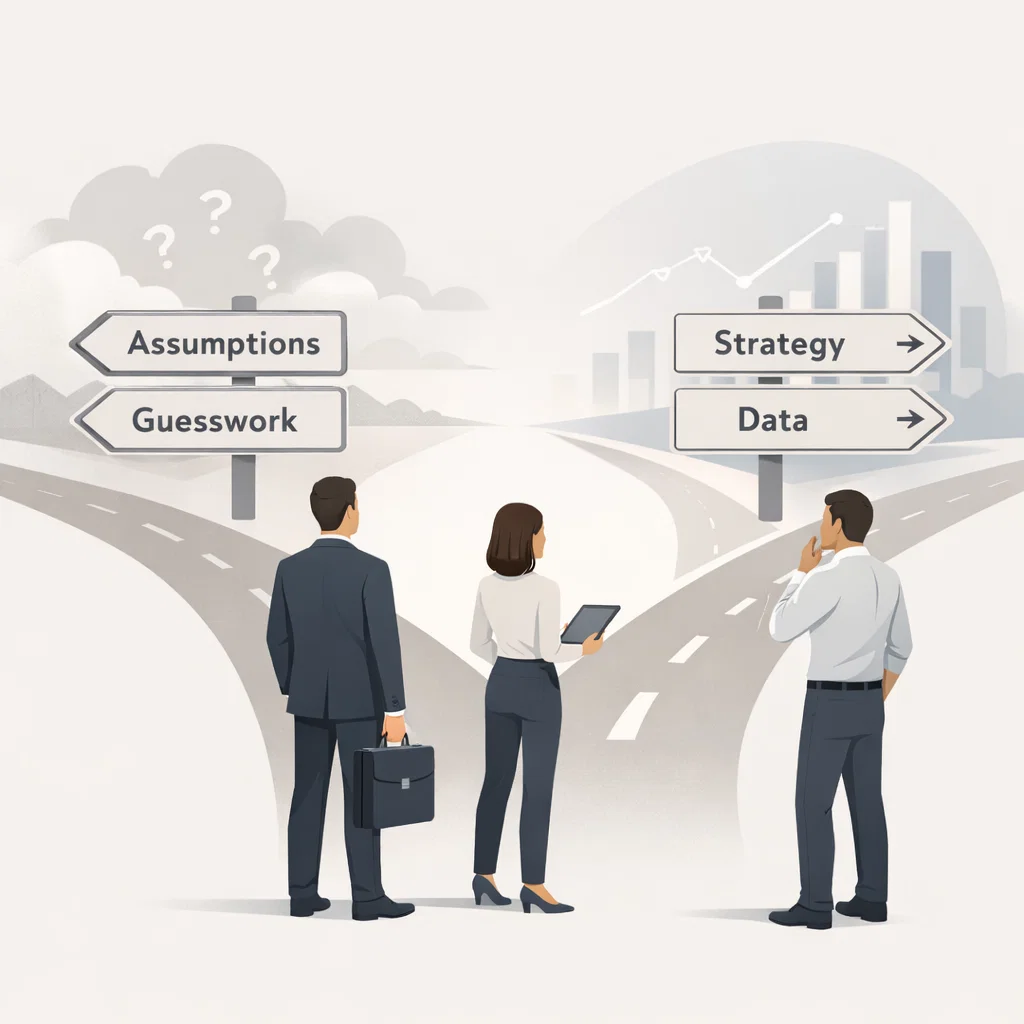
Another critical issue is ignoring real user behavior. Without analyzing where users drop off, what content they ignore, or which buttons go untouched, improvements remain guesswork. This turns the website into a static presence instead of a performance-driven asset.
Finally, websites often operate disconnected from other digital channels. Users arriving from ads and those coming from organic search have different intentions, yet they are usually shown the same message. A successful website adapts to these different entry points.
In short, businesses that fail to generate customers from their websites rarely lack traffic. They lack a conversion-focused digital structure. When built correctly, a website becomes an active sales channel rather than a passive online presence.

 Turkey (Türkçe)