One of the most common questions asked by people who want to start e-commerce is simple:
Where should I begin?
Should I buy a domain first, set up a company, choose products, or build the website?
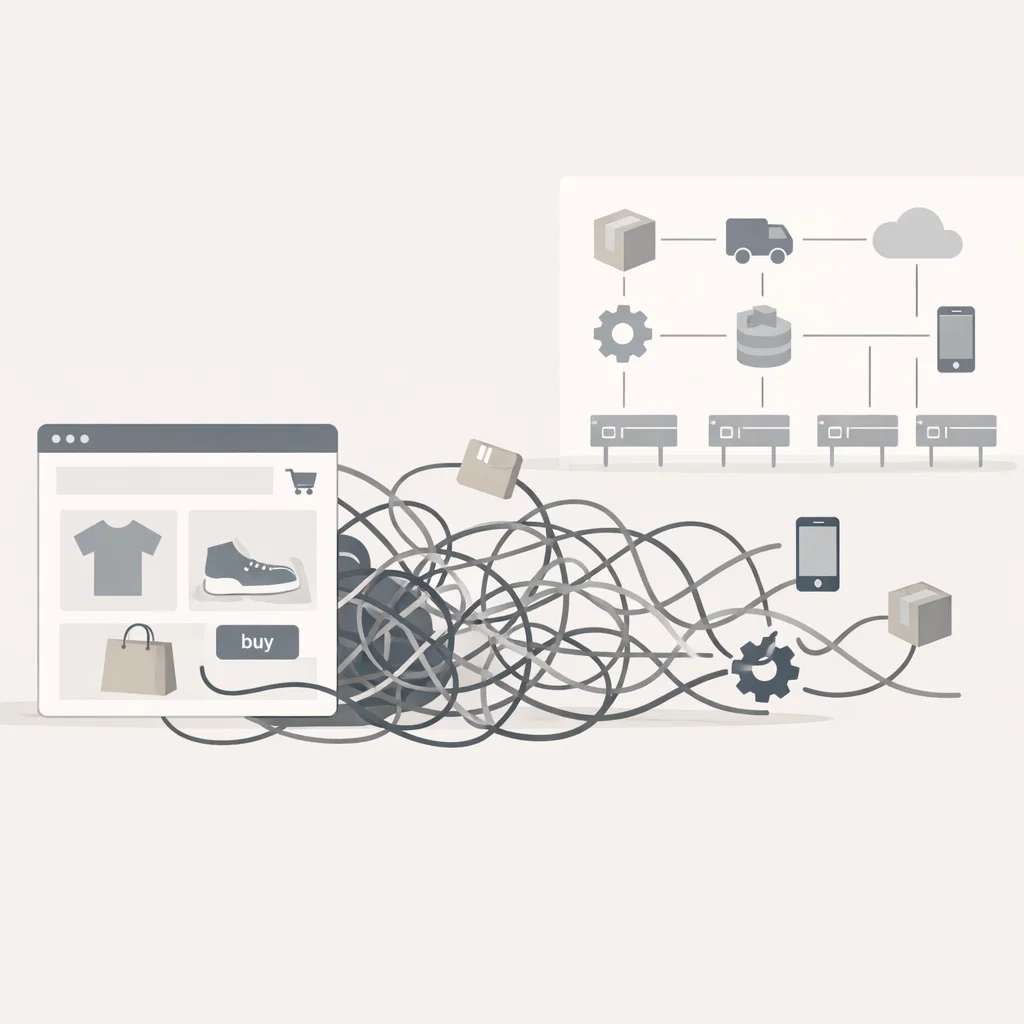
This confusion is completely normal. From the outside, e-commerce looks straightforward. But once you step in, you quickly realize it consists of many interconnected parts. Taking the wrong steps in the wrong order often leads to wasted time and unnecessary costs.
In this article, we outline a clear, step-by-step roadmap for starting e-commerce from scratch — not to start fast, but to start on solid ground.
One of the most common mistakes in e-commerce is thinking, “Let’s build the website first and decide on products later.”
In reality, the foundation of e-commerce is the product itself.
Every technical decision depends on what you sell.
Before moving forward, you should be able to answer these questions clearly:
Will I focus on a single product or a product range?
Is there proven demand for these products?
Who are my competitors and what price range do they operate in?
At this stage, the goal is not to find the perfect product, but to create a realistic and sellable product framework.
“I sell to everyone” is one of the fastest ways to sell to no one.
Knowing your target audience is just as important as choosing the right product. Your audience determines how your website speaks, which payment options you offer, and how you structure delivery and returns.
At the beginning, answering the following questions is enough:
Who is most likely to buy this product?
Are they used to shopping online?
Do they prioritize price, speed, or trust?
These answers directly shape your entire e-commerce setup.
You do not need a large company structure to start e-commerce. In many cases, a sole proprietorship is sufficient and can be established quickly.
What matters is not how complex your setup is, but whether you are ready to operate properly once sales begin.
Invoicing, payment systems, and marketplace integrations require a legal entity. However, these processes should be planned simply and efficiently, rather than being turned into obstacles before validation.
There is no single “best” e-commerce platform. Ready-made solutions, open-source systems, and custom development all serve different needs.
Instead of asking “Which platform is the best?”, the right question is:
Which platform fits my current and future needs?
When choosing an infrastructure, consider:
Number of products and growth plans
Integration needs (shipping, accounting, marketplaces)
Your technical knowledge or support access
Total monthly and yearly costs
A poor platform choice can become expensive and difficult to change later.
Many e-commerce businesses face problems with payments and shipping after launching. Yet, for customers, these are the most critical moments of the buying process.
From the beginning, it should be clear which options you will offer, such as:
Credit card payments
Bank transfer
Cash on delivery (if applicable)
Shipping costs, delivery times, and return policies should also be defined early to avoid friction and lost sales.
E-commerce is similar to opening a physical store, but traffic does not come automatically. Some businesses make their first sale quickly; others take time.
The initial goal should not be “selling a lot,” but confirming that the system works.
Early orders help you test operations, identify weaknesses, and improve processes before scaling.
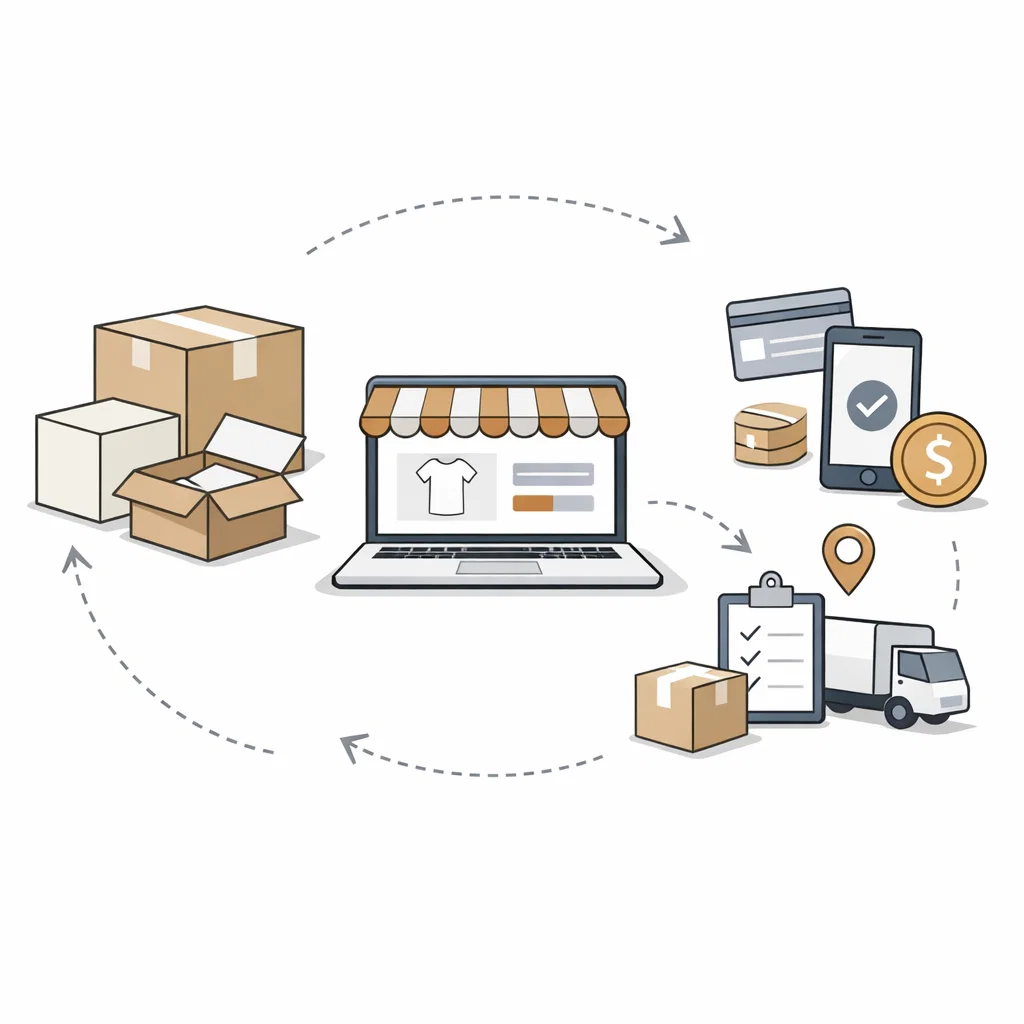
Starting e-commerce successfully depends on following the right order. Products, target audience, infrastructure, and operations must be planned together. Skipping steps or rushing decisions often leads to problems that are difficult to fix later.
This roadmap is designed for those who want to build a strong and sustainable foundation, not just launch quickly. In e-commerce, the real difference is not made on day one — it becomes visible months later.

 Turkey (Türkçe)