In e-commerce, money is rarely lost because of a single bad decision made at the beginning. More often, it is lost by continuing with the wrong infrastructure for too long. Systems that seem “good enough” early on quietly generate costs as the business grows.
This article explains how the wrong e-commerce infrastructure creates hidden financial losses—without diving into unnecessary technical detail.
Wrong does not mean broken. In many cases, the system works—but not for the business’s current or future needs. What feels sufficient at launch can become a bottleneck as product counts, order volume, and integration requirements increase.
Infrastructure defines the speed and limits of a business. When chosen poorly, it slows growth instead of supporting it.
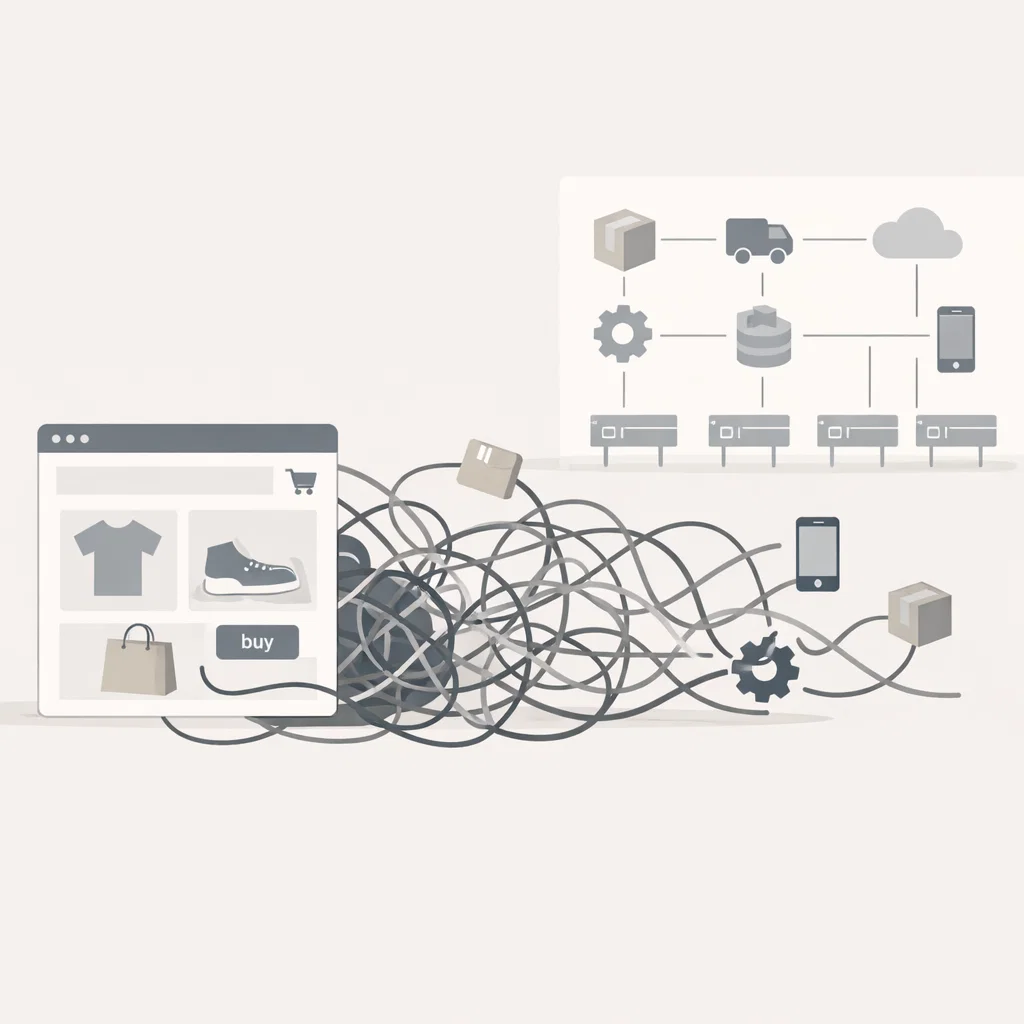
The most dangerous aspect of the wrong infrastructure is that its cost is not immediately visible. It usually shows up in three areas:
Time loss:
Simple tasks require manual work. Managing orders, stock, pricing, or campaigns takes far longer than it should.
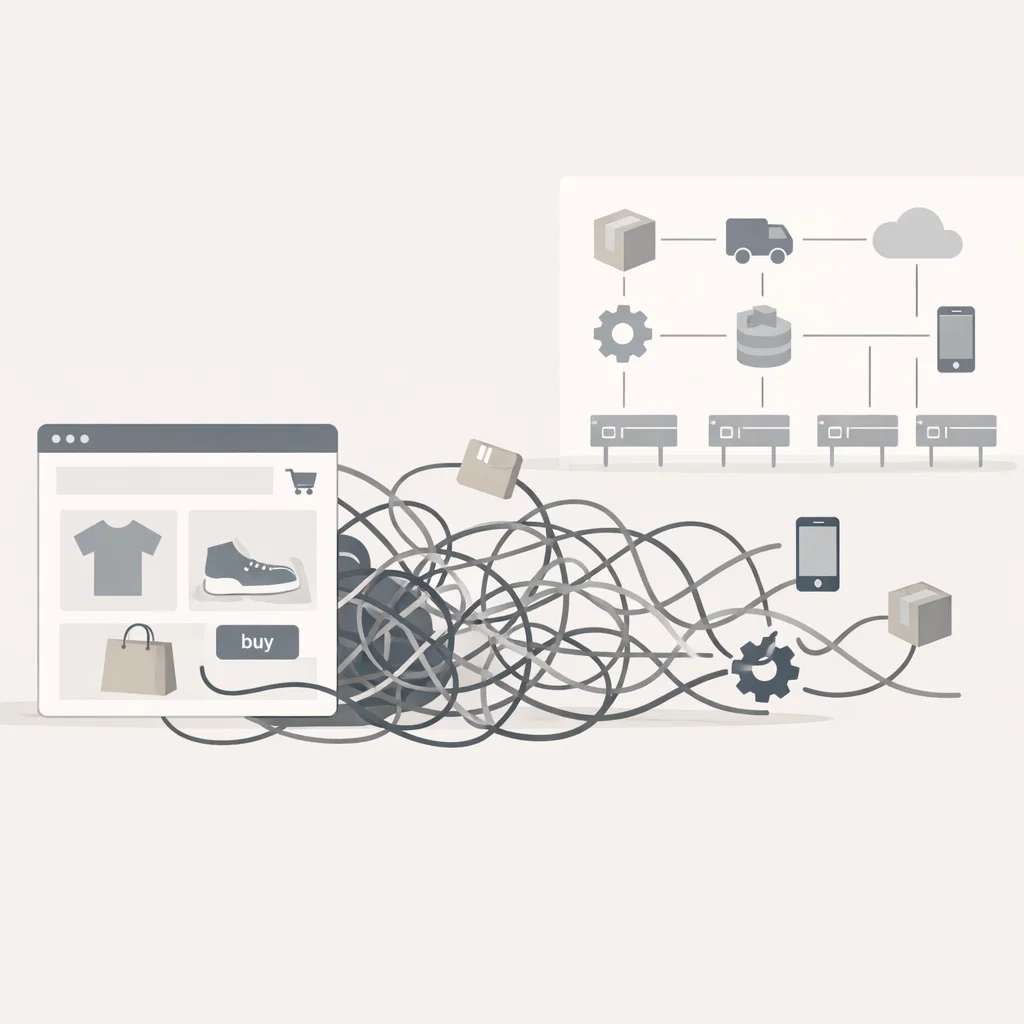
Integration friction:
Shipping, marketplaces, accounting, or payment systems either cannot be integrated properly or require constant fixes.
Growth limitations:
Adding new sales channels, campaigns, or product categories becomes difficult. The business starts avoiding growth opportunities.
When businesses realize their infrastructure is limiting them, they often say:
“Let’s manage for now.”
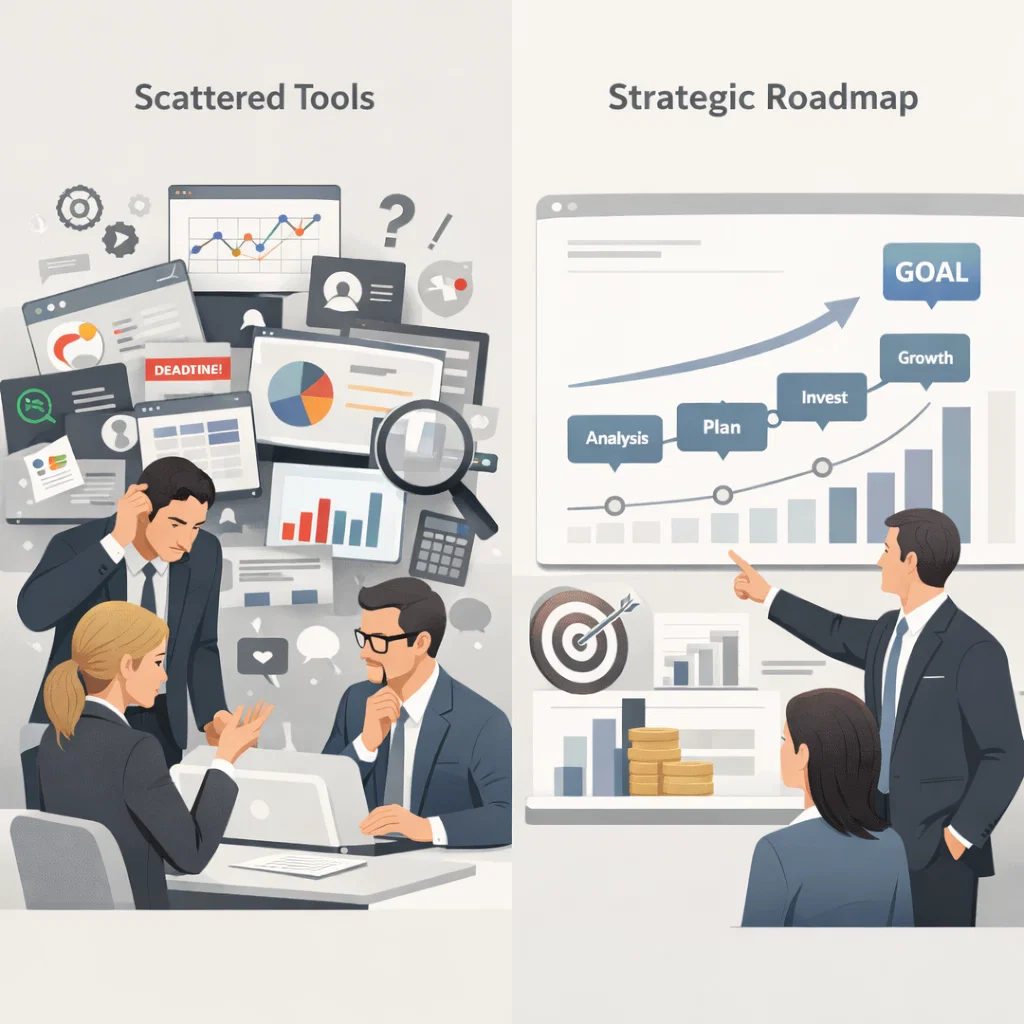
This feels reasonable in the short term. But over time, temporary solutions grow into permanent constraints. Changing the system becomes more expensive, and the business adapts to its limitations instead of fixing them.
This is where real financial loss begins.
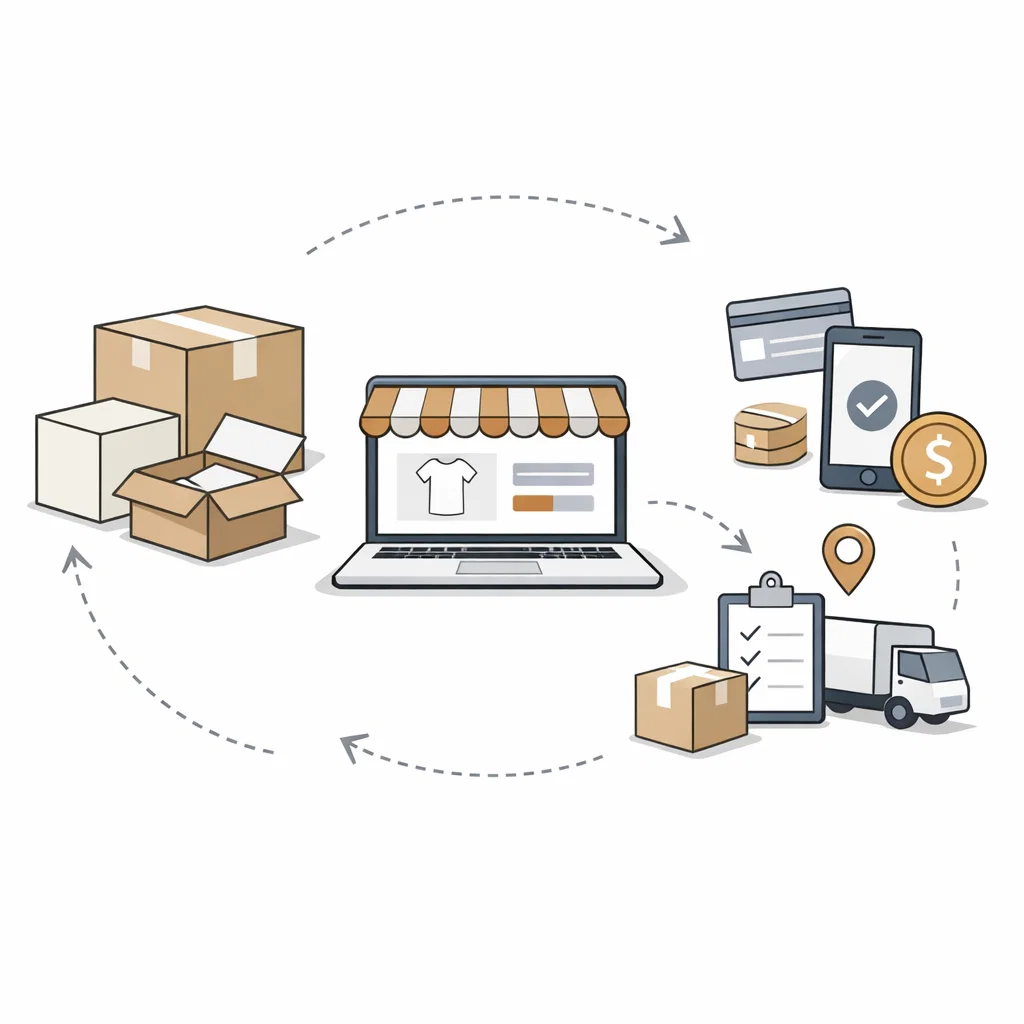
The right infrastructure does not guarantee success, but it does:
Reduce operational friction
Enable smooth integrations
Support growth instead of restricting it
This allows businesses to focus on sales and development rather than managing system limitations.
The most expensive mistakes in e-commerce are often silent. Continuing with the wrong infrastructure creates small daily losses that are hard to notice individually but impossible to ignore over time.
The real question is not:
“Can we continue with this system?”
but:
“How far can this system actually take us?”

 Turkey (Türkçe)